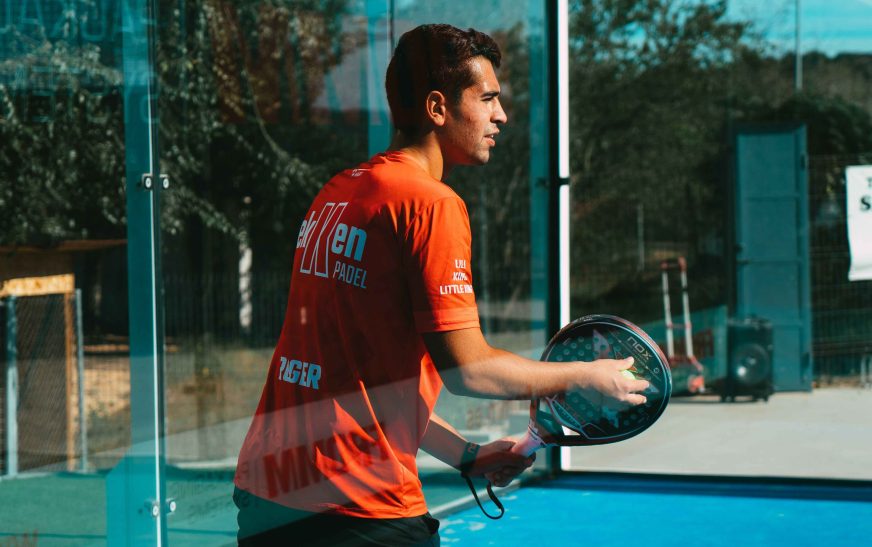
A padel tennis court could look impressive without delivering an impressive experience. The difference might be in the surface and the details that players do not notice.
When it comes to padel tennis court construction in the UAE region, such factors become more crucial than ever. These factors could include such as strength, glass quality, artificial turf, drainage, lighting, and installation accuracy for all influential platforms.
A standard layout might be like 2m x 10 m, which provides the basic framework, but the quality of each component determines what happens after that. A great court should provide consistent movement, smooth ball rebound, comfortable visibility, structural stability, and reliable performance in demanding UAE conditions.
What Makes a Padel Court Truly Great?
The difference usually comes down to details. For sports clubs, hotels, schools, residential developments, and commercial facilities, these ten considerations can help separate an average court from a properly engineered one. Here are ten details that make the difference.
- A Stable and Precisely Prepared Base
The foundation supports everything above it. Prior to installing any enclosures or artificial turf, the surface of your site should be prepared to the max. An unstable or poorly prepared base could affect the finished surface and could create more problems. This could include drainage, alignment, and long-term maintenance.
A professional installation begins with site assessment, ground preparation, accurate levels, and a suitable foundation system.
The goal is simple: create a stable platform that allows every subsequent component to perform correctly.
- Premium Shock-Absorbing Artificial Turf
The playing surface has a direct effect on player comfort and court performance. Almustaqbal specifies premium shock-absorbing artificial turf for its padel courts. This type of surface needs to provide consistent traction while supporting the fast movements, stops, turns, and changes of direction common in padel.
Turf selection should consider expected usage, climate exposure, maintenance requirements, and installation quality.
A great court should feel consistent across the entire playing area rather than having loose sections, visible wrinkles, or uneven transitions.
- Effective Drainage and Water Management
Outdoor padel courts need a drainage strategy that suits the site.
Water should move away from the playing area rather than accumulating around the foundation or enclosure. Surface levels, falls, drainage routes, and surrounding ground conditions should therefore be considered during planning.
This is especially relevant in the UAE, where a court must also withstand intense heat and occasional heavy rainfall.
Drainage is not simply a finishing detail. It protects the playing surface and helps reduce avoidable maintenance problems.
- 12mm Tempered Panoramic Glass
Glass is central to the padel experience. Almustaqbal’s padel court specification includes 12mm tempered panoramic glass, selected as part of its court enclosure system.
The glass needs to be installed accurately within the supporting structure. Alignment, fixing points, panel condition, and connection details all contribute to a stable enclosure.
Clear visibility is also important because players constantly interact with the walls during rallies.
A quality court, therefore, needs more than attractive glass. It needs correctly specified and professionally installed glass as part of an engineered system.
- Hot-Dip Galvanized Steel Structure
The structural frame supports the enclosure and helps maintain its stability. Almustaqbal uses hot-dip galvanized steel for its padel court structures. Galvanization provides a protective layer that is particularly relevant when exposed steel is used in demanding outdoor environments.
Accurate fabrication and installation are equally important. Posts, frames, connections, doors, and other structural elements need to align correctly.
The result should be a rigid, accurately assembled enclosure built for continued use rather than a structure focused only on initial appearance.
- High-Efficiency LED Sports Lighting
Lighting can significantly influence evening play. A court may have powerful fixtures but still perform poorly if illumination is uneven or glare becomes distracting. Fixture positioning and distribution, therefore, need to be considered alongside lighting output.
Almustaqbal includes high-efficiency LED sports lighting within its padel court specification.
The objective is comfortable visibility across the playing area so players can follow the ball without unnecessary visual distractions.
For commercial facilities, good lighting also extends the practical operating hours of the court.
- Accurate Component Alignment
A padel court is not a collection of unrelated parts.
The foundation, steel structure, glass, turf, fencing, doors, lighting, and drainage need to work together. Small inaccuracies during one stage can create complications during another.
For example, structural misalignment can affect glass installation, while poorly finished turf edges can affect the appearance and durability of the playing area.
This is why engineering and installation quality matter as much as material selection.
- A Layout That Fits the Site
The standard padel court layout is 20m × 10m, according to Almustaqbal’s current service specification.
However, planning does not stop with the court dimensions.
The available site should also accommodate access, player circulation, maintenance, drainage, lighting infrastructure, and surrounding safety areas.
A proper site survey helps determine whether the proposed location can support the complete court installation rather than simply fitting the playing rectangle.
- Materials Selected for UAE Conditions
A court installed in the UAE faces a demanding environment.
High temperatures, strong UV exposure, dust, humidity, and outdoor usage can place additional demands on exposed materials and equipment.
This makes material selection particularly important.
Steel protection, artificial turf specifications, glass, lighting equipment, drainage components, and finishing materials should all be selected with the intended environment and usage in mind.
Almustaqbal positions its sports facilities around the UAE climate requirements and long-term performance.
- Installation and Aftercare
Even premium materials cannot compensate for poor installation.
A quality padel court requires coordination between engineering, fabrication, installation, testing, and handover. Maintenance should also be considered before the first match is played.
Routine care may include turf cleaning, glass cleaning, drainage checks, lighting inspections, and examination of structural components.
Almustaqbal describes its approach as an end-to-end process covering consultation, engineering and design, manufacturing, installation, handover, and aftercare.
That integrated approach helps keep responsibility clear throughout the project.
What Should You Check Before Building a Padel Court?
Use this checklist when comparing padel court suppliers:
- Is the site properly assessed?
- Is the foundation designed for the location?
- What artificial turf specification is being offered?
- Is the turf suitable for intensive use?
- What glass thickness and specification will be installed?
- Is the steel structure hot-dip galvanized?
- How will drainage be handled?
- What LED lighting system is included?
- Does the proposed layout fit the entire site?
- What installation and aftercare support is provided?
These questions can reveal differences between quotations that may initially appear similar.
What Makes a Padel Court Great?
A great padel court is designed and developed with the most suitable material according to its requirements. The strong foundation does provide stability. And premium artificial turf supports consistent play. And other aspects, like 12mm tempered panoramic glass, create an enclosure. LED lighting improves visibility for evening/night players, and drainage protects the court from water-related issues.
However, all these material only performs when they are designed and installed as one system. For clubs, schools, hotels, residential developments, and commercial sports facilities, choosing an experienced sports court contractor can therefore make a significant difference to the finished facility.
If you are planning a padel court in the UAE, don’t forget to contact Almustaqbal for site assessment and tailored quotations.
Frequently Asked Questions
What is the standard size of a padel court?
The standard layout specified by Almustaqbal is 20m × 10m. Site planning should also account for access, circulation, drainage, lighting, and maintenance requirements.
What type of glass is used for a padel court?
Almustaqbal’s padel courts use 12mm tempered panoramic glass as part of the enclosure system.
What surface is used on a padel court?
Premium shock-absorbing artificial turf is specified for Almustaqbal’s padel courts.
Why is galvanized steel used for padel courts?
Hot-dip galvanized steel provides a protective finish for structural components and is well-suited to outdoor sports infrastructure where environmental exposure is a consideration.
Does a padel court need LED lighting?
Outdoor and commercial courts can benefit from properly designed LED sports lighting for evening play. Lighting should provide suitable visibility while controlling glare and uneven illumination.